 By Louis Jones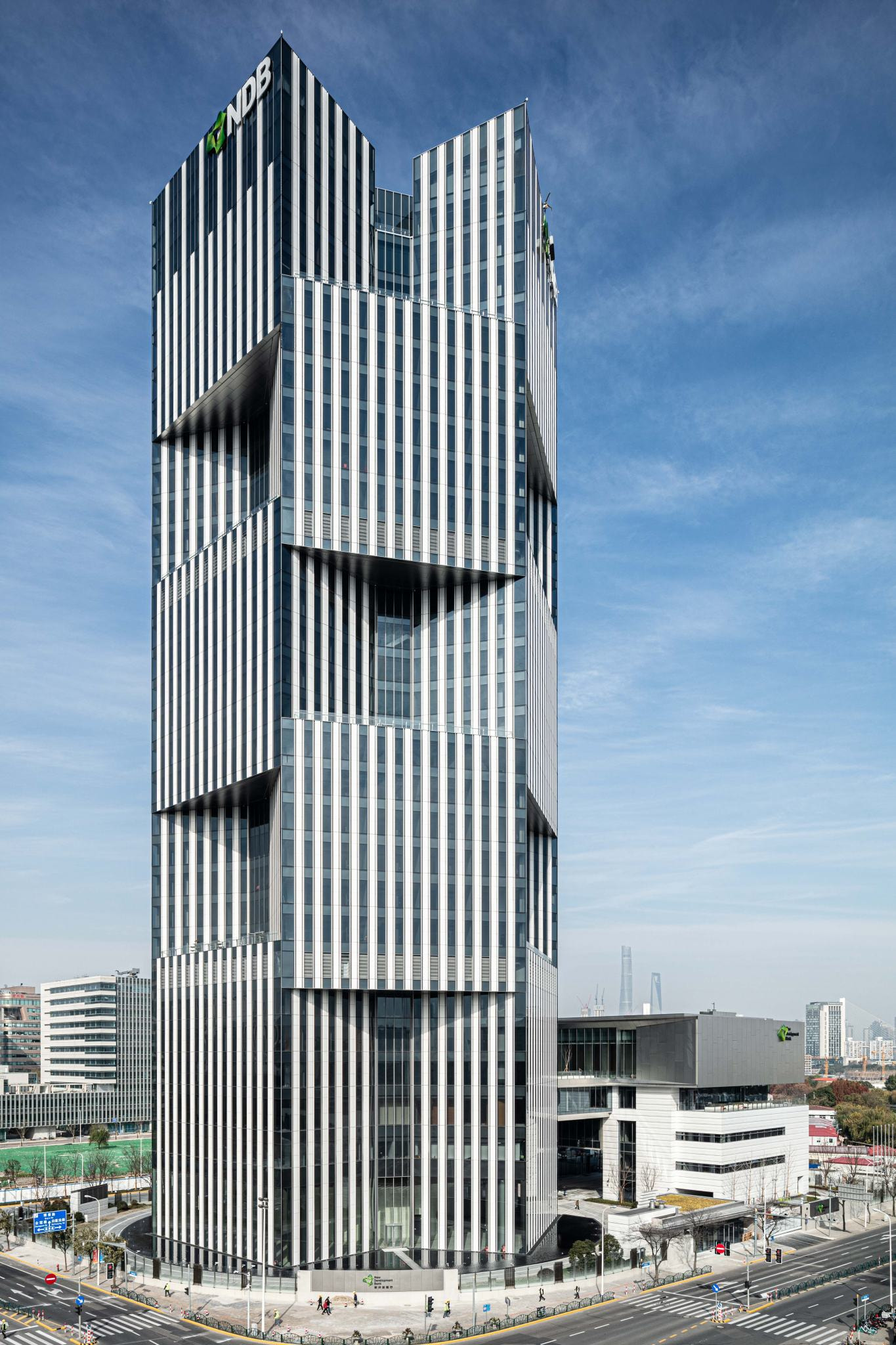
The New Development Bank is making significant contributions to India’s economic landscape during BRICS year. This development highlights the bank’s strategic importance in supporting growth.
Overview of the New Development Bank
The New Development Bank (NDB) has emerged as a pivotal player in supporting India’s economic growth, particularly during its significant role in the BRICS alliance. Established by the BRICS nations, the NDB aims to provide financial assistance for infrastructure and sustainable development projects in emerging economies.
India has benefited substantially from the NDB’s initiatives, which include:
- Financial Support: The bank has approved various loans aimed at enhancing India’s infrastructure, with an emphasis on renewable energy projects and urban development.
- Capacity Building: Through technical assistance, the NDB is helping Indian institutions improve their project execution capabilities, ensuring that funds are utilized effectively.
- Partnership Opportunities: The NDB fosters collaborations between member countries, creating a platform for sharing expertise and resources. This synergy is vital for tackling common challenges faced by developing nations.
As India continues to navigate its growth trajectory, the New Development Bank remains a crucial ally. Its commitment to funding sustainable projects aligns with India’s national priorities, addressing both immediate needs and long-term objectives. With the NDB’s ongoing support, India is poised to enhance its infrastructure, boost economic resilience, and promote overall development within the region.
Impact of BRICS on India’s Economy
The impact of BRICS on India’s economy has been significant, largely due to the initiatives and financing provided by the New Development Bank. This multilateral development institution has emerged as a vital partner for India, facilitating various projects that stimulate economic growth.
Through its funding, the New Development Bank has supported key sectors, including:
- Infrastructure Development: Investments in roads, railways, and urban infrastructure have enhanced connectivity and efficiency in transportation.
- Renewable Energy: Projects aimed at increasing renewable energy capacity are vital for India’s commitment to sustainability and reducing carbon emissions.
- Social Programs: Initiatives aimed at improving healthcare and education have played a crucial role in uplifting marginalized communities, fostering inclusive growth.
Moreover, the collaboration within BRICS has opened avenues for India to engage in international trade and investment, further enhancing its economic landscape. The collective strength of BRICS nations enables India to access diversified markets and resources, mitigating risks associated with economic fluctuations.
As the New Development Bank continues to support these initiatives, India stands to benefit from a multiplier effect, where investments lead to job creation and increased productivity. This synergy between BRICS and India’s economic strategies promises a robust and sustainable growth trajectory for the nation.
Strategies for Economic Growth
The New Development Bank (NDB) has emerged as a critical player in fostering economic growth in India through various strategic initiatives. These strategies not only aim to boost infrastructure development but also focus on enhancing sustainable practices across different sectors.
Key strategies identified for economic growth include:
- Infrastructure Investment: The NDB prioritizes financing large-scale infrastructure projects that are essential for improving connectivity and productivity within the country.
- Green Financing: Emphasizing sustainability, the bank supports projects that promote renewable energy and reduce carbon footprints, aligning with global environmental goals.
- Public-Private Partnerships: By facilitating collaborations between public entities and private investors, the NDB helps mobilize additional resources for development projects.
- Technological Innovation: The bank encourages the adoption of advanced technologies in various sectors, ensuring that India remains competitive in the global market.
- Capacity Building: Focusing on human capital development, the NDB invests in training and skill development programs to enhance workforce capabilities.
These strategies reflect the NDB’s commitment to empowering India’s economy, ensuring long-term growth and stability. By leveraging its resources and expertise, the New Development Bank is positioned as a vital partner in India’s development journey.
Real Estate Trends in India
The real estate sector in India is experiencing significant transformation, driven by a combination of policy reforms, technological advancements, and changing consumer preferences. As the New Development Bank continues to support infrastructure projects, the real estate market is expected to see further growth fueled by investment and development initiatives.
Several trends are shaping the future of real estate in India:
- Urbanization: With cities expanding rapidly, there is an increasing demand for residential and commercial properties. This urbanization is creating opportunities for developers to meet the needs of a growing population.
- Affordable Housing: The government’s focus on affordable housing initiatives is attracting investments from both domestic and foreign developers. This aligns with the New Development Bank’s mission to promote sustainable infrastructure.
- Technological Integration: The rise of proptech is changing how properties are bought, sold, and managed. Technology is streamlining processes and improving customer experiences in the real estate sector.
- Green Building Practices: There is a growing emphasis on sustainability, with developers adopting eco-friendly practices. This trend not only contributes to environmental conservation but also appeals to environmentally conscious buyers.
As the New Development Bank invests in these areas, India’s real estate market is poised for a robust and sustainable future, making it an attractive landscape for investors and homeowners alike.
Investment Opportunities in 2023
As 2023 unfolds, the New Development Bank (NDB) presents a myriad of investment opportunities that cater to diverse sectors within India’s economy. With a focus on sustainable development and infrastructure enhancement, the NDB has positioned itself as a pivotal player in financing projects that promise both growth and stability.
Key sectors ripe for investment include:
- Renewable Energy: The NDB has prioritized financing initiatives that promote solar, wind, and other renewable energy sources, aligning with India’s commitment to reducing carbon emissions.
- Transport Infrastructure: Investments in transportation networks, including railways and highways, are critical in boosting trade and connectivity across regions, facilitating economic integration.
- Healthcare: The bank aims to support healthcare projects that enhance access to medical services, particularly in underserved areas, ensuring a healthier population that contributes effectively to the economy.
- Education: Financing educational institutions and skill development programs is essential for equipping the workforce with necessary skills for the evolving job market.
Furthermore, the NDB’s collaborative approach with both public and private sectors enhances the potential for innovative solutions to emerge, ensuring that investments yield long-term benefits for the country. With these focused areas of investment, 2023 holds great promise for India’s economic landscape, driven by the strategic initiatives of the New Development Bank.
Challenges Facing the New Development Bank
The New Development Bank (NDB) has faced several challenges that could impact its effectiveness in supporting India’s growth trajectory. As it strives to enhance infrastructure and sustainable development, the bank must navigate a complex landscape of economic and political dynamics.
One of the significant obstacles is the funding sustainability. With increasing demands for financial resources, the NDB needs to ensure a steady influx of capital while managing risks associated with global financial fluctuations. Furthermore, the bank’s reliance on member contributions can pose limitations, especially if member countries face fiscal constraints.
Additionally, there are regulatory hurdles that the NDB must address. Each member nation has its own regulatory framework, which can complicate project approvals and funding disbursement. This inconsistency may lead to delays in implementing critical projects designed to boost India’s economy.
Moreover, the NDB is challenged by the need for alignment with the Sustainable Development Goals (SDGs). As the bank aims to support projects that foster economic growth, it must also ensure compliance with environmental and social standards, which can sometimes conflict with rapid development needs.
In conclusion, while the New Development Bank holds potential for fostering India’s growth, overcoming these challenges will be crucial for its success and relevance in a rapidly evolving economic landscape.
Future Prospects for India and BRICS
The future prospects for India and the New Development Bank (NDB) appear promising as the nation continues to strengthen its ties with BRICS. As India gears up for increased global competitiveness, the NDB remains a vital partner in financing sustainable development projects that align with the country’s growth objectives.
India’s strategic initiatives, supported by the NDB, are likely to drive a range of sectors, including:
- Infrastructure Development: Enhanced funding for transport, energy, and urban development projects is essential for fostering economic growth.
- Green Energy: Investments in renewable energy sources will help India meet its climate goals while ensuring energy security.
- Digital Transformation: Leveraging technology to improve public services and boost economic efficiency is a priority for India’s future.
As BRICS expands its collaborative efforts, India will play a pivotal role in shaping policies that benefit all member countries. The NDB’s commitment to financing projects that promote social equity and environmental responsibility complements India’s vision for a more sustainable economy.
Looking ahead, the synergy between India and the New Development Bank is expected to foster innovation and resilience, positioning India as a leader within BRICS and beyond. This partnership promises to create a robust framework for economic growth, benefiting not only India but also contributing to the stability of the global economy.
By Donnie28 via Openverse
Where this came from
Related reading
- Aero-engine testing infrastructure: Tata Projects’ Smart Partnership
- Auckland average asking price drops: A clear trend
- Off-White India Store: The Best New Shopping Experience