 By Louis Jones
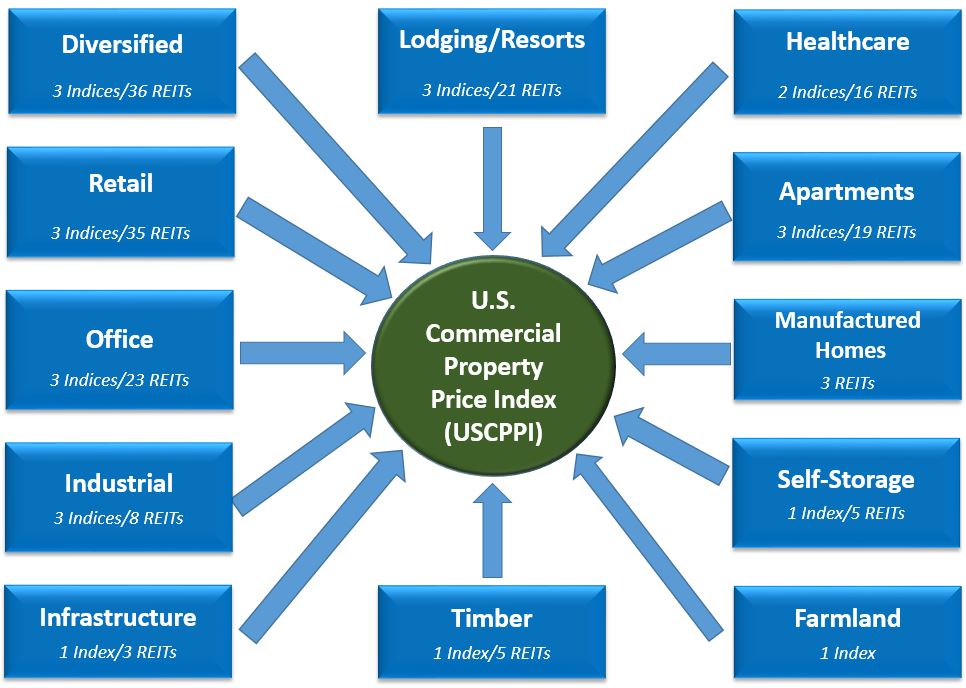
The Commercial Property Price Index highlights the latest trends in the real estate market, including splits in the office sector and declining retail rents.
Overview of the Commercial Property Price Index
The Commercial Property Price Index (CPPI) serves as a vital tool for investors and analysts to gauge the performance of the real estate market. This index reflects the price changes in commercial properties, including office spaces, retail outlets, and industrial buildings. As the market evolves, the CPPI provides insights into trends and shifts that can influence investment strategies.
Recent reports indicate that the CPPI is showing signs of fragmentation within various sectors. For instance, the office market is experiencing a noticeable split, as demand shifts towards flexible workspaces, while traditional office rentals face challenges. Additionally, retail rents have continued to decline, reflecting changing consumer behaviors and the rise of e-commerce.
On a positive note, the valuation of commercial building land appears to be stabilizing, offering a potential foundation for future growth. Investors must keep a close eye on the CPPI, as it not only highlights current market conditions but also aids in forecasting future trends in commercial real estate.
Current Trends in the Office Market
The current trends in the office market reveal significant shifts that are shaping the commercial landscape. The Commercial Property Price Index has indicated a clear split in demand for office spaces, with some areas experiencing a decline while others remain resilient.
Key factors influencing these trends include:
- Remote Work Policies: Many companies have adopted flexible work arrangements, leading to reduced demand for traditional office spaces.
- Urban Exodus: A noticeable migration from urban centers to suburban areas has altered the dynamics of office leasing.
- Investment in Modern Spaces: Businesses are increasingly favoring properties that offer modern amenities and sustainable designs.
As a result, the market is witnessing a stabilization in commercial building land, despite falling retail rents. This bifurcation in the office market suggests that while some segments struggle, others might thrive in the evolving economic landscape. Investors and stakeholders must navigate these complexities to make informed decisions about their portfolios.
Retail Rents: A Continuing Decline
In recent months, retail rents have shown a significant decline, reflecting broader trends highlighted in the Commercial Property Price Index. This downturn presents challenges for landlords and businesses alike, as fluctuating demand continues to reshape the market landscape.
Several factors contribute to this ongoing decrease in retail rents:
- Changing consumer behavior: The rise of online shopping has reduced foot traffic in physical stores, leading to lower demand for retail spaces.
- Economic uncertainty: Inflationary pressures and changing economic conditions have prompted businesses to reevaluate their expenses, resulting in negotiations for reduced rents.
- Increased vacancies: A growing number of vacant retail spaces has created a surplus in the market, forcing landlords to lower prices to attract tenants.
As the Commercial Property Price Index indicates, these trends are likely to persist, challenging property owners to adapt their strategies to maintain occupancy rates and profitability amidst a shifting economic environment.
Stabilization of Commercial Building Land
The stabilization of commercial building land has become a notable trend as the Commercial Property Price Index indicates a shift in market dynamics. After a prolonged period of fluctuation, the prices of commercial land are beginning to level off, providing a sense of certainty for investors and developers alike.
Several factors contribute to this stabilization:
- Increased Demand: As businesses adapt to post-pandemic realities, there is a renewed interest in developing commercial spaces, particularly in strategic locations.
- Regulatory Adjustments: Local governments are implementing policies that support commercial development, facilitating smoother processes for obtaining permits and approvals.
- Market Confidence: As the economy shows signs of recovery, stakeholders are more willing to invest in commercial properties, believing in their long-term viability.
This stabilization not only impacts the Commercial Property Price Index but also reflects broader economic trends, suggesting that the commercial real estate market is gradually regaining its footing amid ongoing challenges.
Factors Influencing Property Prices
The Commercial Property Price Index reflects various factors that significantly influence property prices across markets. Understanding these elements is crucial for investors and stakeholders aiming to navigate the complexities of the real estate landscape.
- Economic Conditions: Overall economic performance, including GDP growth, employment rates, and inflation, plays a vital role. A robust economy generally leads to increased demand for commercial properties.
- Interest Rates: Fluctuations in interest rates directly affect financing costs for property purchases. Lower rates can stimulate demand, while higher rates may hinder investment.
- Supply and Demand Dynamics: An imbalance between supply and demand can cause significant price movements. Oversupply in a particular market may push prices down, while shortages can lead to price hikes.
- Location and Infrastructure: Properties situated in prime locations with good infrastructure tend to command higher prices, as accessibility remains a critical factor for businesses.
- Regulatory Environment: Changes in zoning laws, taxation, and environmental regulations can also impact property valuations, influencing the Commercial Property Price Index.
Future Predictions for the Real Estate Market
As we look ahead to the coming years, the Commercial Property Price Index is expected to play a crucial role in shaping the real estate market landscape. Experts predict several key trends that could influence property values and investor behavior.
- Increased demand for flexible workspaces: With the ongoing evolution of work habits, demand for adaptable office spaces is likely to rise, potentially driving prices up in specific urban areas.
- Continued challenges for retail: Retail rents are anticipated to keep declining as e-commerce remains dominant, leading to further pressure on physical storefronts.
- Residential conversions: An uptick in the conversion of commercial properties to residential use could reshape neighborhoods and affect the Commercial Property Price Index.
- Interest rates and economic recovery: Economic conditions and central bank policies will undoubtedly influence property prices, with interest rates playing a pivotal role in investment decisions.
These predictions suggest that the Commercial Property Price Index will remain a vital indicator for stakeholders navigating the evolving real estate market.
Conclusion: Navigating Market Changes
In conclusion, understanding the Commercial Property Price Index is crucial for both investors and stakeholders in the real estate market. As recent trends indicate significant shifts across various sectors, it is essential to navigate these changes with informed strategies.
The ongoing decline in retail rents combined with the stabilization of commercial building land suggests a changing landscape that requires adaptation. Investors must remain vigilant and responsive to market fluctuations, particularly in the office sector, where varying demand presents both opportunities and challenges.
To successfully navigate these market changes, stakeholders should consider the following:
- Stay informed about the latest trends and reports regarding the Commercial Property Price Index.
- Diversify investments across different sectors to mitigate risks associated with market volatility.
- Engage with local experts to gain insights and forecasts that can aid in decision-making.
By adopting a proactive approach, investors can better position themselves to capitalize on emerging opportunities while managing potential risks in this evolving environment.
By Dulac1984 via Openverse
Read the original
Related reading
Black Friday Sale Offers Quick 40% Off Theme Park Tickets · Fairmont hundredth hotel: Is it the Best New Destination? · Pune Metro Pink Line: New Stations Open, Delays Ahead