 By Louis Jones
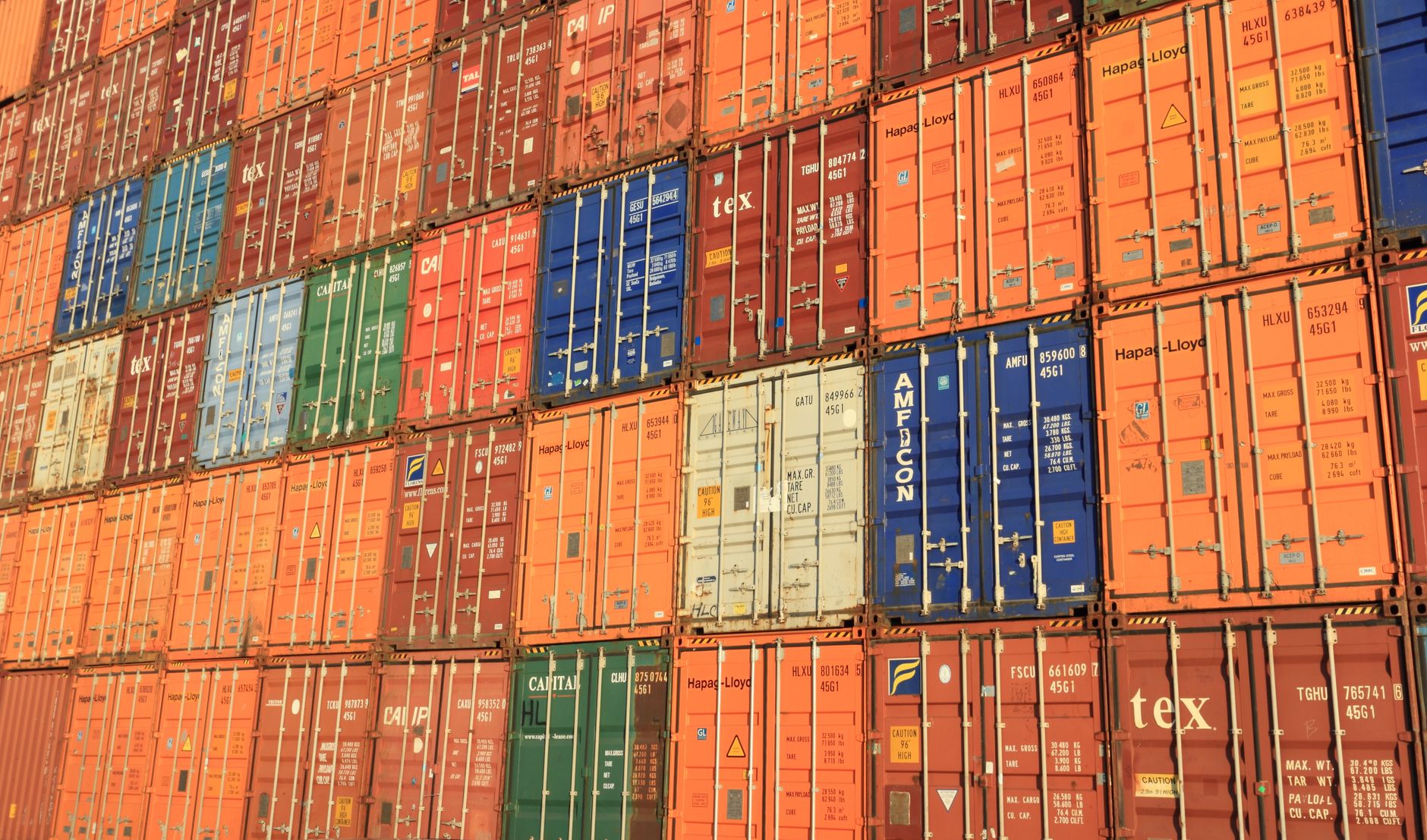
Greek import prices are experiencing a significant jump, which is impacting the real estate market. This surge in costs raises concerns for both buyers and sellers alike.
Understanding the Recent Surge in Prices
The recent surge in Greek import prices has raised concerns among investors and consumers alike. This increase can be attributed to several factors that have significantly impacted the economy.
- Global Supply Chain Disruptions: Ongoing disruptions in global supply chains have led to delays and higher costs for imported goods.
- Increased Freight Costs: Shipping expenses have skyrocketed, which directly affects the prices of imported products.
- Energy Price Fluctuations: The rising costs of energy resources have further exacerbated the situation, impacting production and transportation.
- Inflationary Pressures: General inflation has also contributed to the rising prices of imports, making it more difficult for businesses and consumers to cope.
As a result, understanding the recent surge in Greek import prices is crucial for making informed investment decisions in this challenging economic climate.
How Import Costs Affect Real Estate
The recent fluctuations in Greek import prices have significant implications for the real estate market. As the cost of materials and goods increases, property developers face higher expenses, which can lead to a rise in home prices. This surge impacts potential buyers and investors alike.
Higher import costs can result in:
- Increased Construction Costs: Developers may pass on these costs to consumers, leading to higher property prices.
- Decreased Investment Opportunities: Investors may hesitate to enter the market if they believe profit margins are shrinking due to rising expenses.
- Market Volatility: Unpredictable import prices can lead to fluctuations in real estate demand, affecting long-term investment strategies.
Understanding these dynamics is crucial for making informed decisions in the current economic climate, where Greek import prices are a key factor influencing the real estate landscape.
The Impact on Buyers and Sellers
The recent surge in Greek import prices has significant implications for both buyers and sellers in various markets. For buyers, the escalating costs can lead to increased prices for goods, making essential products less affordable. This situation may prompt consumers to seek alternatives or delay purchases, impacting overall demand.
On the seller’s side, businesses might struggle to maintain profitability as import prices rise. Increased costs can result in higher retail prices, which might deter customers and reduce sales volume. Additionally, sellers may need to reassess their pricing strategies to remain competitive.
As import costs fluctuate, both parties must navigate the changing landscape. Understanding the effects of Greek import prices is crucial for making informed decisions in the marketplace. Strategies that account for these variations can help mitigate potential losses and foster resilience in an unpredictable economy.
Current Trends in Greek Real Estate
As the landscape of the Greek real estate market continues to evolve, current trends reveal significant shifts influenced by various economic factors. One of the most pressing issues is the rise in Greek import prices, which have seen a marked increase due to global supply chain disruptions. This surge has led to heightened construction costs, affecting the availability of new properties.
In addition, potential investors are reassessing their strategies in light of these changes. Many are now prioritizing properties that offer long-term value rather than immediate returns. As a result, there is a growing interest in renovation projects that can capitalize on the demand for affordable housing.
Additionally, buyers are becoming more cautious, seeking out properties that are less impacted by rising import costs. This shift is likely to reshape buyer preferences and ultimately affect the overall stability of the real estate market.
Expert Opinions on Market Changes
Experts in the field are closely monitoring the fluctuations in Greek import prices, emphasizing their potential ripple effects across various sectors. According to Dr. Maria Theocharis, an economist at the National Bank of Greece, “The recent surge in import prices is largely driven by increased global demand and disrupted supply chains.”
Financial analyst John Papadopoulos also notes that “investors should be cautious, as rising import prices can lead to inflationary pressures, affecting consumer spending and overall economic growth.”
Additionally, real estate expert Eleni Kouroupos warns that “high import costs can lead to higher construction expenses, which may ultimately deter new investments in the property market.”
In summary, the interplay between Greek import prices and market dynamics could significantly influence investment strategies. As the situation evolves, stakeholders must remain vigilant and adapt to the changing landscape.
Future Predictions for Property Prices
As the landscape of Greek import prices continues to evolve, future predictions for property prices are becoming increasingly critical for investors. Analysts anticipate that the ongoing fluctuations in import costs will play a significant role in shaping the real estate market over the next few years.
Several factors contribute to this outlook:
- Inflationary Pressures: Sustained increases in import prices may trigger broader inflation, leading to higher property values.
- Supply Chain Stability: A stabilization in import costs could lead to a more predictable market, encouraging investment.
- Consumer Confidence: As the economy adjusts, a rise in consumer confidence may bolster property demand, further influencing prices.
In conclusion, understanding the relationship between Greek import prices and property values will be essential for investors aiming to navigate this dynamic market effectively.
Comparing Import Prices to Other Regions
When analyzing Greek import prices, it’s essential to compare them with those from other regions to understand their overall impact on the economy and investments. Recent data shows that while Greece has experienced significant increases, other countries are facing similar challenges.
Key comparisons include:
- Italy: Import prices have risen due to heightened demand for raw materials.
- Spain: A similar surge is noted, particularly in food and energy sectors.
- Turkey: Competing import prices have affected local production costs.
Overall, while Greek import prices are on the rise, they reflect a broader trend affecting multiple nations. Investors should consider these regional dynamics, as they can influence market strategies and investment decisions in both real estate and other sectors.
Strategies for Navigating the Market
As Greek import prices continue to rise, investors must develop effective strategies to navigate the evolving market landscape. Here are some key approaches to consider:
- Diversify Your Portfolio: Investing in a mix of asset types can help mitigate risks associated with fluctuating import costs.
- Stay Informed: Keeping up with the latest news on Greek import prices allows investors to anticipate market shifts and make informed decisions.
- Focus on Location: Certain areas may be less affected by rising import costs, so targeting properties in these regions could yield better returns.
- Collaborate with Experts: Engaging with real estate professionals who understand the nuances of the market can provide valuable insights and guidance.
- Consider Long-Term Investments: While short-term volatility may be concerning, long-term investments can often weather the storm of rising import prices.
Photo by Pixabay on Pexels
References
- Infrastructure projects review: Best Proven Strategies for Success
- Is the Blaupunkt Rock & Roll speaker the Best Party Speaker?
- Complex Needs Care Home: A Smart Solution for Families