 By Louis Jones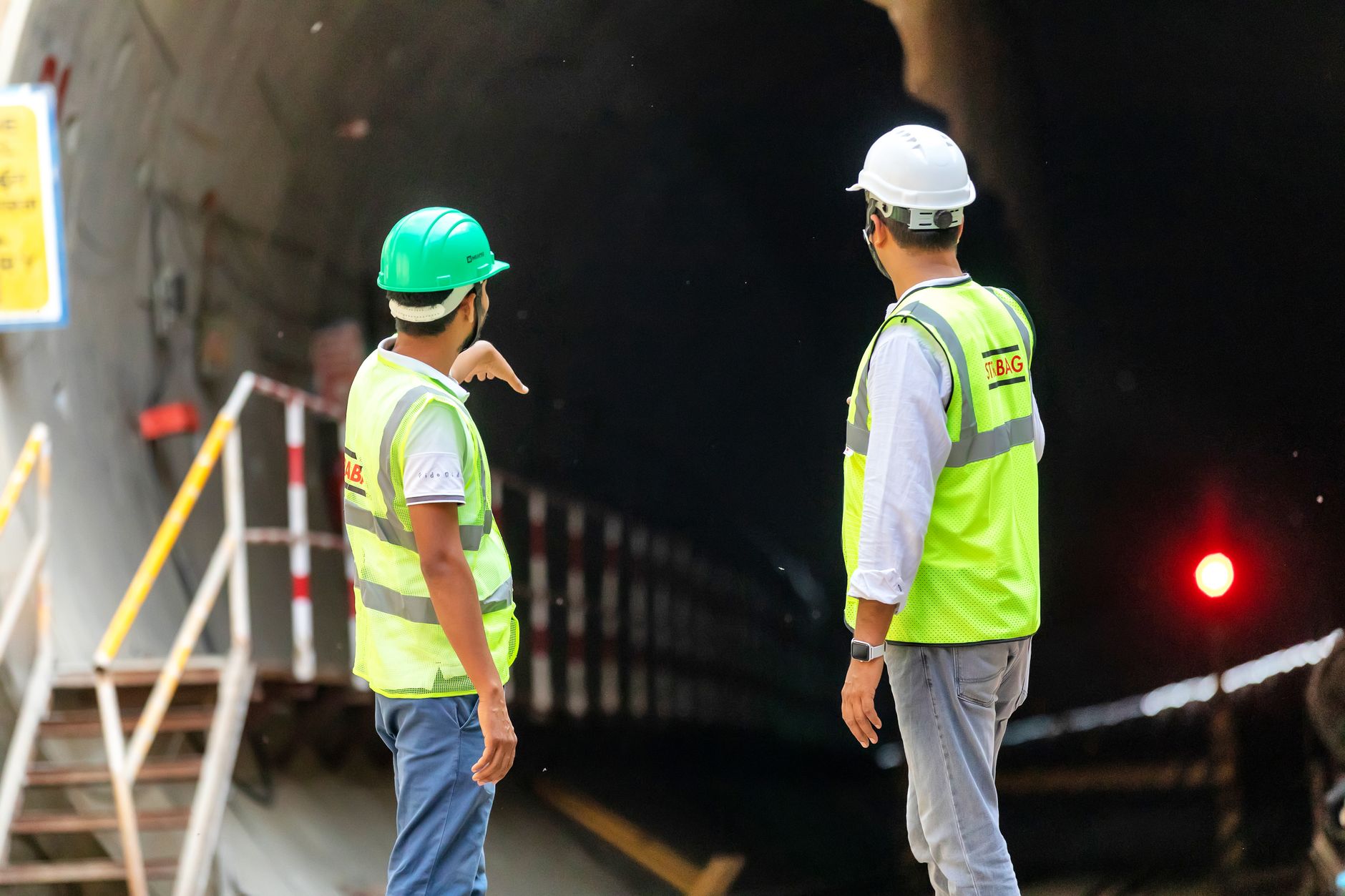
infrastructure projects review reveals PM Modi’s focus on six significant initiatives worth over ₹30,000 crore during the recent PRAGATI meeting.
Overview of the 53rd PRAGATI Meeting
At the 53rd PRAGATI meeting, Prime Minister Modi reviewed six significant infrastructure projects collectively valued at over ₹30,000 crore. This meeting highlighted the government’s commitment to enhancing the nation’s infrastructure and ensuring timely execution of crucial projects. During the session, PM Modi emphasized the importance of effective monitoring and swift decision-making in the implementation of these initiatives.
Reviewing these infrastructure projects is essential not only for their timely completion but also for maximizing their potential benefits to the economy. The projects under review include:
- Highway Development: Expansion and upgrading of major highways to improve connectivity.
- Railway Modernization: Investments in modernizing railway stations and enhancing services.
- Urban Transport: Development of metro rail systems in key cities to alleviate traffic congestion.
- Water Supply Projects: Initiatives aimed at ensuring clean drinking water access across rural areas.
- Renewable Energy Initiatives: Projects focused on promoting sustainable energy sources.
- Smart City Development: Infrastructure enhancements to create more livable urban environments.
These initiatives are part of a broader strategy to drive economic growth and improve quality of life, underlining the significance of a robust review process for infrastructure projects.
Significance of Infrastructure Development in India
The significance of infrastructure development in India cannot be overstated, as it plays a crucial role in the nation’s economic growth and societal advancement. Infrastructure projects review is essential to ensure that these developments align with the country’s long-term goals.
In recent years, India has witnessed a surge in infrastructure initiatives aimed at enhancing connectivity, improving public services, and fostering sustainable urbanization. These projects encompass various sectors, including transportation, energy, and sanitation, which collectively contribute to economic resilience.
- Boosting Economic Growth: Enhanced infrastructure leads to improved productivity and economic diversification, attracting both domestic and foreign investments.
- Job Creation: Infrastructure projects generate numerous employment opportunities, thereby reducing unemployment rates and improving living standards.
- Social Benefits: Well-developed infrastructure aids in providing essential services such as education, healthcare, and clean water, contributing to the overall quality of life.
- Environmental Sustainability: Modern infrastructure projects often incorporate sustainable practices that minimize environmental impact, promoting greener urban spaces.
In conclusion, the continuous review and strategic planning of infrastructure projects are vital for addressing the needs of a rapidly growing population and ensuring that the benefits of development are equitable and sustainable.
Key Projects Reviewed by PM Modi
During the 53rd PRAGATI meeting, Prime Minister Modi conducted a thorough infrastructure projects review that highlighted six critical initiatives, collectively valued at over ₹30,000 crore. These projects span various sectors, emphasizing the government’s commitment to enhancing India’s infrastructure and supporting economic growth.
The reviewed projects include:
- National Highway Development: Expanding existing highways to improve connectivity and reduce travel time.
- Smart City Initiatives: Implementing advanced technologies in urban areas to enhance living standards and promote sustainability.
- Railway Modernization: Upgrading railway stations and enhancing services to boost passenger experience and freight efficiency.
- Water Supply and Sanitation: Ensuring clean drinking water and improved sanitation facilities across rural and urban areas.
- Renewable Energy Projects: Investing in solar and wind energy to promote sustainable development and reduce carbon footprints.
- Housing for All: Initiatives aimed at providing affordable housing solutions to the underprivileged sections of society.
Each project was scrutinized for its potential impact on local communities, job creation, and overall economic development, underlining the government’s proactive approach to enhancing infrastructure in India.
Government’s Investment in Infrastructure
The Indian government has made a significant commitment to enhancing the nation’s infrastructure, with a particular focus on large-scale projects that promise to drive economic growth and improve public services. In the latest 53rd PRAGATI meeting, Prime Minister Modi reviewed six critical infrastructure projects worth over ₹30,000 crore. This review underscores the importance of diligent oversight and strategic planning in the successful execution of infrastructure projects.
Among the projects assessed, several aim to address transportation bottlenecks, enhance energy efficiency, and improve urban development. The government is prioritizing investments that not only yield immediate benefits but also ensure sustainable growth for future generations. The projects encompass:
- Road and Transportation Upgrades: Major improvements in highway connectivity and public transport systems.
- Energy Infrastructure: Initiatives to bolster renewable energy sources and enhance grid reliability.
- Urban Development: Programs aimed at improving housing, sanitation, and public amenities in urban centers.
These infrastructure projects review sessions serve as a platform for accountability and collaboration, fostering an environment where challenges can be addressed proactively. As the government continues to push forward with ambitious plans, the focus remains on ensuring that these investments translate into tangible benefits for the populace.
Impact on Economic Growth
The recent infrastructure projects review conducted by Prime Minister Modi highlights the crucial role that infrastructure development plays in driving economic growth. Investments in infrastructure not only enhance connectivity but also stimulate various sectors of the economy, leading to increased productivity and job creation.
During the 53rd PRAGATI meeting, where six major projects worth over ₹30,000 crore were assessed, the implications for local economies became evident. These projects are expected to generate significant employment opportunities and foster the growth of ancillary industries. The ripple effect of improved infrastructure can lead to higher consumer spending, thereby boosting overall economic performance.
Moreover, infrastructure projects contribute to regional development, reducing disparities between urban and rural areas. This balanced growth is essential for sustainable development, as it ensures that the benefits of economic progress are shared equitably.
In addition, efficient infrastructure attracts foreign investment, which is vital for long-term economic stability. The government’s commitment to infrastructure development signals to investors that India is a viable destination for business, further enhancing economic prospects.
In conclusion, the infrastructure projects review underscores the interconnectedness of infrastructure investment and economic growth, making it a priority for the government to ensure the successful execution of these initiatives.
Challenges Faced in Infrastructure Projects
Infrastructure projects often encounter a myriad of challenges that can impede their progress and success. Some of the most common hurdles faced in these ventures include:
- Funding Delays: Securing adequate financing can be a significant barrier, leading to postponed timelines and increased costs.
- Bureaucratic Hurdles: Complex regulatory frameworks and red tape can slow down project approvals and implementation.
- Land Acquisition Issues: Disputes over land ownership and delays in acquisition can halt progress on critical projects.
- Technological Challenges: Keeping up with the latest technologies and ensuring they are integrated effectively can pose difficulties.
- Environmental Concerns: Projects may face opposition from environmental groups, necessitating extensive assessments and modifications.
- Stakeholder Coordination: Managing the interests and expectations of various stakeholders, including government agencies, contractors, and local communities, is crucial for success.
During the recent infrastructure projects review at the 53rd PRAGATI meeting, these challenges were highlighted as critical areas needing attention. Addressing these issues is essential to ensure timely delivery and effective execution of infrastructure initiatives, ultimately contributing to sustainable economic growth.
Future Prospects for Infrastructure in India
The future prospects for infrastructure in India appear promising, especially in light of the recent infrastructure projects review conducted by Prime Minister Modi during the 53rd PRAGATI meeting. With significant investments and strategic planning, the government aims to create a robust framework to support sustainable development.
Experts predict that the ongoing and upcoming infrastructure projects will not only improve connectivity and efficiency but also serve as catalysts for economic growth. The focus on modern technologies and eco-friendly practices is expected to enhance the overall quality of infrastructure. Key areas of development include:
- Transportation: Expansion of highways, railways, and airports to facilitate smoother transit.
- Urban Development: Smart city initiatives aimed at improving living standards in urban areas.
- Energy: Investments in renewable energy projects to ensure sustainable power supply.
- Water Management: Projects targeting efficient water supply and wastewater treatment systems.
Furthermore, collaboration between public and private sectors is vital for the successful implementation of these projects. By leveraging innovative financing models and engaging local communities, the government hopes to overcome existing challenges and pave the way for a more resilient infrastructure landscape in India.
In the recent infrastructure projects review, key strategies have emerged that consistently lead to successful outcomes. By focusing on stakeholder engagement and rigorous planning, the infrastructure projects review showcases methods that can be applied universally across various sectors.
Photo by Anil Sharma on Pexels
Where this came from
Related reading
- Is the Blaupunkt Rock & Roll speaker the Best Party Speaker?
- Complex Needs Care Home: A Smart Solution for Families
- Are 10GbE Lite Managed Switches Worth the Investment?