 By Louis Jones
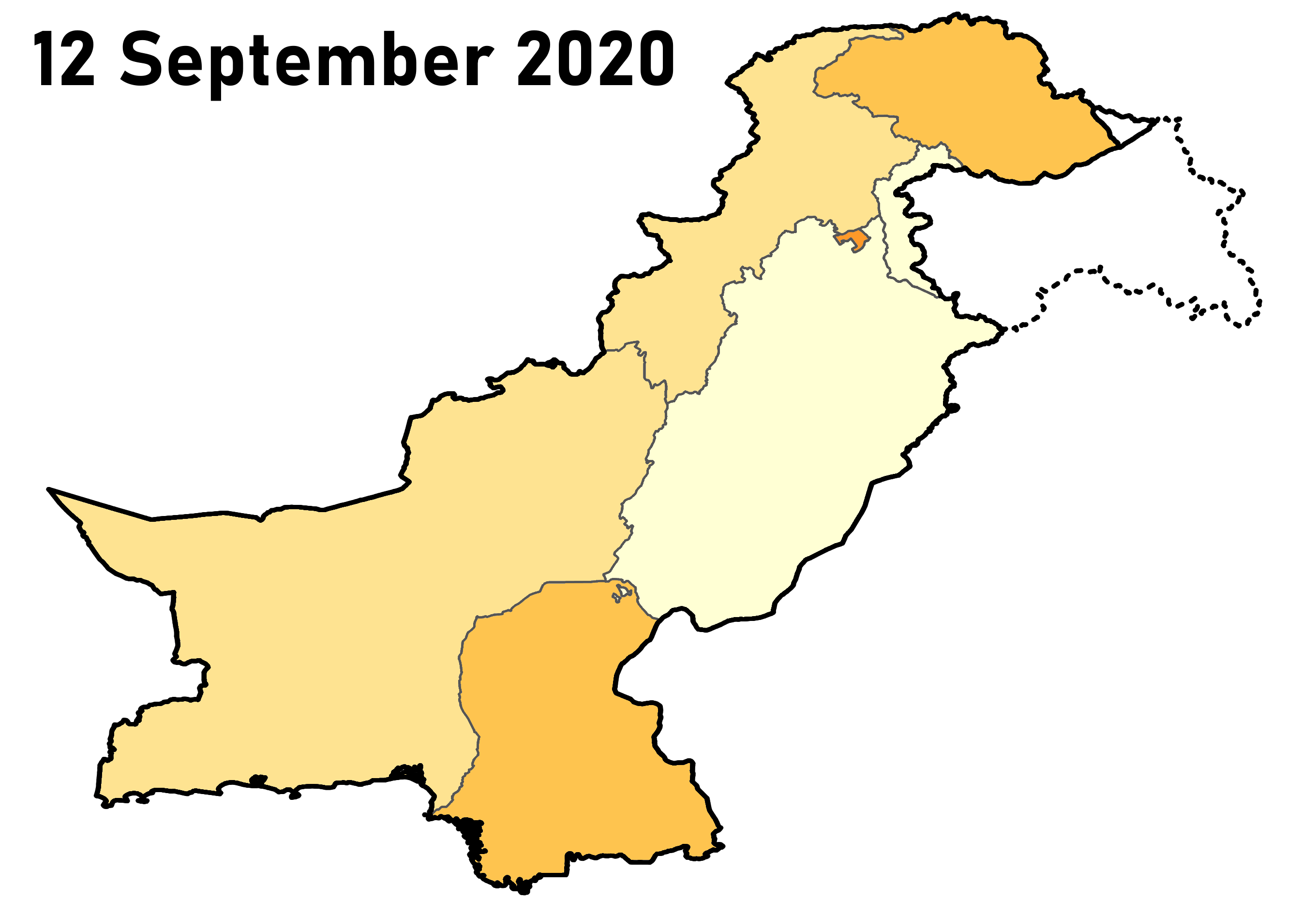
Gilgit-Baltistan projects are being prioritized as Shehbaz Sharif orders faster implementation of development initiatives in the region.
Overview of Shehbaz Sharif’s directives
In a recent directive, Prime Minister Shehbaz Sharif called for the acceleration of development efforts in occupied Gilgit-Baltistan, emphasizing the importance of timely execution of various projects. This initiative aims to enhance infrastructure and improve the living standards of the local populace. The Prime Minister’s orders come as part of a broader strategy to implement Gilgit-Baltistan projects that will boost economic growth and create job opportunities in the region.
Shehbaz Sharif underscored the necessity for collaboration between federal and provincial authorities to ensure these projects are completed efficiently. He highlighted key areas that require immediate attention, including:
- Road construction and maintenance
- Access to clean drinking water
- Healthcare facilities expansion
- Educational infrastructure development
The Prime Minister expressed his commitment to addressing the challenges faced by the people of Gilgit-Baltistan, urging all stakeholders to prioritize these initiatives. His vision includes fostering sustainable development in the region, which has remained underdeveloped for decades despite its vast potential.
Importance of infrastructure in Gilgit-Baltistan
The development of infrastructure in Gilgit-Baltistan is crucial for the region’s economic growth and stability. The mountainous terrain and remote location have often hindered access to essential services and opportunities. Improved infrastructure can facilitate better connectivity, which is vital for trade and tourism.
Shehbaz Sharif’s recent directives emphasize the need for expedited progress on various projects in the region. This approach aims to ensure that the benefits of development reach the local population swiftly. The focus on infrastructure will not only enhance transport links but also provide access to education, healthcare, and employment opportunities.
Moreover, the successful implementation of Gilgit-Baltistan projects can lead to:
- Economic Growth: Enhanced infrastructure can attract investment and spur local businesses.
- Social Development: Improved access to services can elevate the standard of living for residents.
- Tourism Boost: Better roads and facilities can draw more tourists, benefiting the local economy.
In summary, investing in infrastructure in Gilgit-Baltistan is not only a necessity but also a pathway to sustainable development for the region.
Expected outcomes of faster project implementation
The swift implementation of various Gilgit-Baltistan projects is anticipated to yield significant benefits for the region. By expediting these initiatives, the government aims to enhance infrastructure, which has been a long-standing challenge for local communities.
Key expected outcomes include:
- Improved Connectivity: Enhanced road networks are likely to facilitate better access to remote areas, promoting trade and tourism.
- Economic Growth: The development of infrastructure can attract investments, creating job opportunities and boosting the local economy.
- Enhanced Quality of Life: With improved facilities, residents are expected to experience a better standard of living, including access to healthcare and education.
- Environmental Sustainability: Proper planning and execution of projects can lead to environmentally friendly practices, preserving the region’s natural beauty.
- Community Engagement: Faster project execution encourages local participation, fostering a sense of ownership among residents.
With these outcomes in mind, the focus on Gilgit-Baltistan projects is not only a strategic move but also a commitment to uplifting the communities within the region.
Challenges faced in the region
The implementation of various Gilgit-Baltistan projects has faced numerous challenges that hinder their progress. These obstacles range from geographical difficulties to socio-political issues that complicate development efforts.
- Geographical Barriers: The rugged terrain of Gilgit-Baltistan makes access to remote areas difficult, complicating the transportation of materials and labor needed for projects.
- Political Instability: Fluctuating political conditions in the region can lead to interruptions in project timelines and funding. Local governance issues often exacerbate these delays.
- Lack of Skilled Labor: There is a shortage of skilled workers in the area, making it challenging to implement advanced techniques required for modern infrastructure projects.
- Resource Allocation: Budget constraints and inefficient resource management can hinder the timely execution of development plans, creating bottlenecks in project delivery.
Addressing these challenges is critical for the successful execution of Gilgit-Baltistan projects and achieving the desired outcomes outlined by leaders in the region. A comprehensive approach that includes local community involvement and efficient planning could pave the way for overcoming these hurdles.
Community response to development plans
The community response to the development plans in Gilgit-Baltistan has been largely positive, with local residents expressing optimism about the potential benefits of the proposed projects. Many believe that these initiatives will significantly improve their quality of life and contribute to the overall progress of the region.
Local leaders have emphasized the importance of involving the community in the decision-making process. They argue that grassroots participation is essential for the success of Gilgit-Baltistan projects. By ensuring that residents have a voice, the government can better tailor these projects to meet the specific needs of the population.
Moreover, residents have highlighted several key areas where they hope to see immediate improvements:
- Job creation: Many are looking forward to new employment opportunities that will arise from infrastructure development.
- Access to services: Improved roads and facilities are expected to enhance access to healthcare and education.
- Tourism potential: With better infrastructure, the region could attract more tourists, boosting the local economy.
Overall, the community’s enthusiasm reflects a shared hope for a brighter future fueled by these planned developments.
Comparative analysis with other regions
The development initiatives in Gilgit-Baltistan are not without comparison to similar projects in other regions. Understanding these comparisons can provide insights into the effectiveness and potential outcomes of the ongoing Gilgit-Baltistan projects.
In regions like Khyber Pakhtunkhwa and Azad Jammu and Kashmir, substantial investments have been directed toward enhancing infrastructure and public services. These areas have witnessed significant improvements in accessibility and economic growth, largely due to the timely execution of development plans.
Key differences, however, highlight the unique challenges faced by Gilgit-Baltistan:
- Geographical Barriers: The mountainous terrain complicates transportation and logistics, delaying project implementation.
- Resource Allocation: Unlike other regions, Gilgit-Baltistan often receives less funding, affecting project scope and scale.
- Community Engagement: While other areas have successfully involved local populations in development efforts, Gilgit-Baltistan’s community response varies, sometimes leading to resistance.
Such a comparative analysis emphasizes the need for tailored strategies that consider the distinctive features of Gilgit-Baltistan, ensuring the effectiveness of its projects.
Future outlook for Gilgit-Baltistan projects
The future outlook for Gilgit-Baltistan projects appears promising as the region braces for significant development initiatives. With the directives from Prime Minister Shehbaz Sharif aimed at accelerating project implementation, stakeholders anticipate a transformative impact on local communities and the economy.
Several key factors contribute to this optimistic outlook:
- Enhanced Connectivity: Improved road networks and transportation systems are expected to facilitate trade and tourism.
- Economic Diversification: Diversifying the local economy through tourism and agriculture will create sustainable job opportunities.
- Community Engagement: Involving local communities in project planning and execution will ensure that the initiatives meet their needs and build local capacity.
- Investment in Education and Health: Focusing on education and healthcare will improve the quality of life and empower local residents.
Despite challenges, including infrastructural hurdles and funding issues, the commitment to advancing Gilgit-Baltistan projects indicates a concerted effort to promote long-term growth and stability in the region. As these projects unfold, the potential for Gilgit-Baltistan to emerge as a vital economic hub remains within reach.
The recent initiatives under the Gilgit-Baltistan projects aim to enhance infrastructure and promote tourism in the region. By focusing on sustainable development, these Gilgit-Baltistan projects are expected to significantly improve the quality of life for local residents.
By User:Abbasi786786 via Openverse
Where this came from
Related stories
- Textile Park Project is a Worthwhile Investment for Growth
- Mumbai Metro Line 12A: Is It the Best Infrastructure Project?
- Is Agartala underground cabling the best infrastructure boost?